Sister Other Paranoia Steam Reception
What Steam users and early critics said in the first days after the August 14, 2026 unlock.
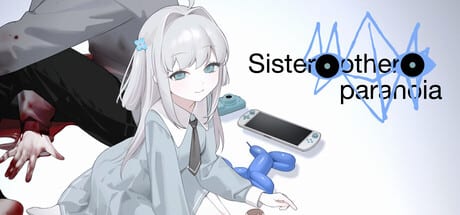
Snapshot after launch
Sister Other Paranoia unlocked on Steam on August 14, 2026 (store date) / August 15, 3:00 AM UTC. Within the first days, the storefront showed Very Positive user reviews—81% positive from 157 Steam-purchaser reviews at the time this page was written (about 130 positive / 30 negative in the broader all-reviews count). Those numbers will move. Treat them as a launch-week photograph, not a lifetime grade. Recheck app 4240150 before you quote a percentage in a video or forum post.
The same store page listed an introductory 20% discount: $9.99 down to $7.99, offer ending August 28. Bundles with Cooking Companions and The House in Fata Morgana also appeared. Price logistics live on Price and How to Buy. This reception page is about how the game landed, not how to pay for it.
HazeDenki’s debut VN—scenario and direction by nyalra, art by Ohisashiburi, music by Aiobahn +81, published by Serenity Forge—arrived with a loud pedigree and a short runtime. That combination shaped both praise and complaints.
What Steam users are reacting to
User-review language on a dark classic VN usually clusters around a few axes. Early Sister Other Paranoia chatter matches the marketed pitch rather than a bait-and-switch:
- Prose voice. Players who wanted nyalra’s abrasive interior monologue generally found it. Players who wanted a softer sister story after the cute marketing account often bounced.
- Length. Reviews and critics call it a one-sitting read. That is a feature if you wanted a focused denpa night. It is a complaint if you expected a 15-hour multi-route dungeon.
- Mind-reading cruelty. The suicide-adjacent system is not a hidden extra. Store copy promised it; the shipped game delivers it. If that line is a hard no, reception scores will not make it safer—use Content Warnings.
- Presentation. NVL text, symbolic borders, eye-motif choices, and Aiobahn tracks are the most-cited “this feels expensive for $8–10” comments.
This wiki will not scrape individual Steam reviews into a quote farm. Percentages and critic articles are enough to orient a buyer. For systems that those reviews assume you already understand, start at How to Play and Routes.
NookGaming (John Rafael) — recommended, with length caveats
NookGaming’s August 15, 2026 review recommends the game. Rafael praises character-driven conversations, Ohisashiburi’s CGs (20 stills plus five guest animations), and a 14-track Aiobahn set that stays memorable after a short playthrough. He describes Hasuya as irritably blunt, the plot as a deconstruction of polite social lies, and the five scenarios as four-chapter blocks you pick from a motif board.
The same review is honest about limits. Because the text budget is small, mental-health conflicts can feel one-dimensional. Sahana sometimes reads more like a narrative device than a fully independent arc. Internal monologues can overbear the external plot. Those are the same cracks CrazyGameCommunity later names. If you need a long, slow character study, this is not that novel. If you want a concentrated, stylish, uncomfortable evening, the recommendation holds.
Rafael also published the walkthrough this wiki cross-checks: four endings, most choices irrelevant, Ring finale locked, True ending on the title screen. Use Walkthrough for the clicks and Preview for a spoiler-lighter verdict page.
CrazyGameCommunity (Davide Fanelli) — 7/10, not for everyone
CrazyGameCommunity scored the game 7/10 and stressed audience fit. Fanelli praises thematic ambition, NVL presentation, lighting as psychology, and the dissonance between energetic Aiobahn cues and nihilistic monologue. He repeats the five-scenario / four-chapter structure and the one-sitting length.
Criticisms align with NookGaming: schematic treatment of psychological issues, Sahana as a pre-established refuge rather than a relationship that grows on-page, and monologue density that can stall the plot. The Italian review is useful precisely because it does not pretend the debut is flawless. A 7 with “not for everyone” is closer to the Steam 81% split than a fake 95 would be.
What critics agree on
Across Wikipedia’s reception summary, NookGaming, and CGC:
- The cast and talk carry the game more than a twist machine.
- Art and music are cohesive and above the “short indie VN” stereotype.
- Length is the main tradeoff: visibility for social anxiety and paranoia, less room for nuance.
- Sahana is the marketing face and the most argued characterization.
- The work is a niche recommendation, not a general-audience comfort title.
Staff context for why the presentation feels familiar to NEEDY GIRL OVERDOSE fans: Staff and From NEEDY STREAMER OVERLOAD. Soundtrack DLC notes: Soundtrack.
How to use reception without outsourcing your stomach
Scores do not replace a comfort check. Run the Content Warning Checker if suicide, codependent siblings, or injury CGs are uncertain for you. Watch the official trailer on Trailer Breakdown for tone. If you still want the game, the intro sale makes the financial risk small; the emotional risk is the real price.
If you already own it and are deciding whether a second run is worth it, reception is less useful than Routes and the Walkthrough. Critics already told you it is short. The remaining question is whether you want the four ending doors.
Related pages
Reception is a weather report from launch week. The store page will keep updating the percentage. This wiki will keep the critic arguments and the structural facts, and it will not invent a Metacritic that does not exist.
Frequently Asked Questions
Quick answers to the most common questions.
Is Sister Other Paranoia well reviewed on Steam?
Launch-week Steam user reviews were Very Positive at about 81% from 157 purchaser reviews. Recheck the live store page; the mix will change.
Did critics recommend it?
NookGaming recommended it with length and depth caveats. CrazyGameCommunity scored 7/10 and said it is not for everyone.
Why do some players dislike it?
Common critiques are short runtime, one-dimensional mental-health framing, dense monologues, and Sahana feeling more like a device than a full character.
Where should I go after reading reception?
Content Warnings if themes worry you, How to Buy if you want the intro sale, or the Walkthrough if you already finished a run.